
Bitkom e‑invoice study: holistic approach required
Less than half of German companies are currently able to receive e‑invoices — despite this being mandatory from 2025. Insiders recommends flexible solutions that integrate standards and enable comprehensive, digital invoice management.
Thank you for reading this post, don’t forget to subscribe!In view of a recent study by the digital association Bitkom — according to which the implementation of mandatory e‑invoicing has so far been rather slow despite the approaching deadline — Insiders emphasizes the need for a holistic, intelligent invoice management solution that opens up new possibilities for automation and verification in addition to receipt and dispatch and also manages the concurrency of the various formats and channels.
The introduction of the mandatory receipt of e‑invoices in business transactions from January 1, 2025 is imminent. Nevertheless, less than half — 45% — of German companies are still able to receive e‑invoices. This is the result of a recent survey by the digital association Bitkom. Insiders sees an urgent need for action and points out the central importance of flexible and future-proof solutions.
The representative Bitkom study, for which 1,103 companies with 20 or more employees in Germany were surveyed, shows that many companies are struggling with the multitude of standards and transport channels for receiving e‑invoices. Email remains the main channel for invoices — according to the study, practically all companies currently use email to send invoices, for example in the form of PDF files — more than half still use letter post. Larger companies are increasingly relying on standardized processes such as Peppol. In order to meet these requirements, solutions are needed that cover all common standards and formats and at the same time can react flexibly to different company requirements.
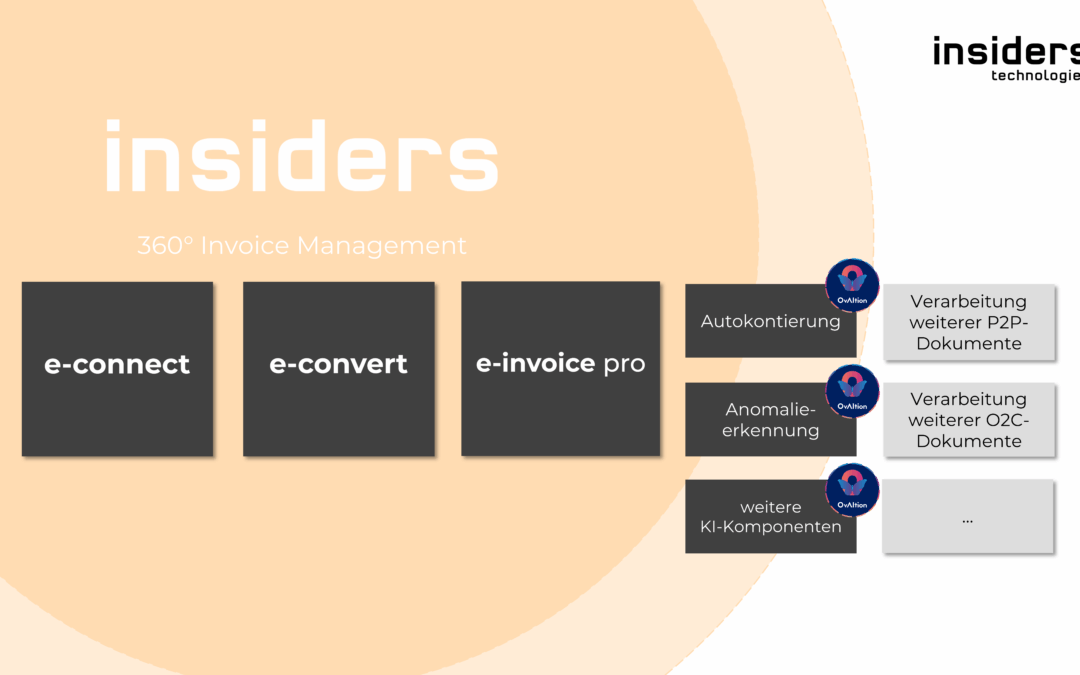
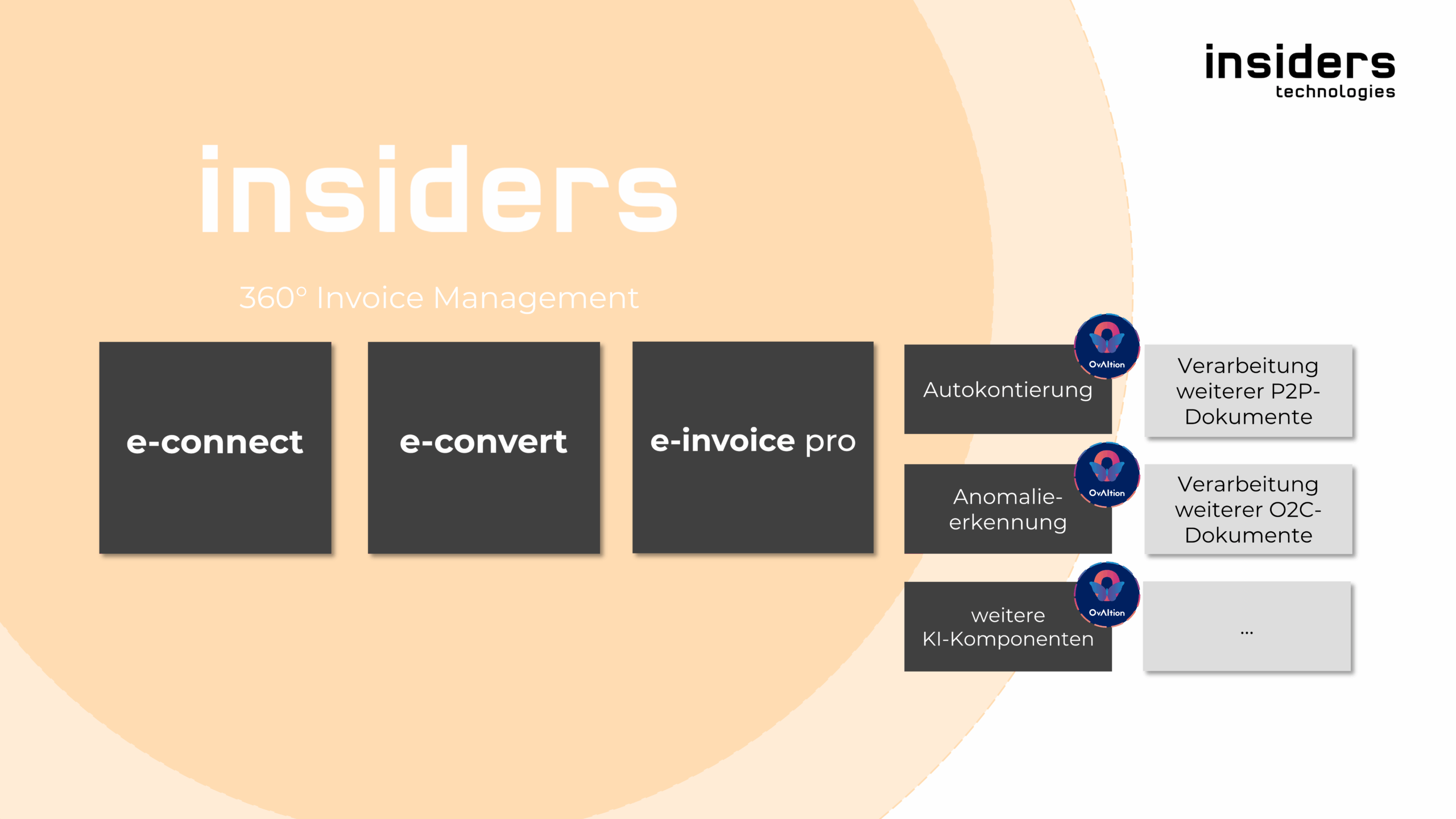
Furthermore, e‑invoicing goes far beyond just receiving and sending. The key added values include automated checking of the form and content of invoice content, detection of anomalies, dark processing if the order reference is correct, integration into approval processes and auto-assignment. Comprehensive invoice management, such as the 360-degree approach pursued by Insiders, is becoming a decisive competitive advantage for companies.
The study also underlines that a hybrid reality consisting of e‑invoices, traditional PDF invoices and paper receipts will continue to exist for years to come. Companies therefore need solutions that enable standardized processing across all channels and formats and at the same time meet the legal requirements of the e‑invoicing obligation.
Dr. Maximilian Schwenger, Head of E‑Finance Development at Insiders, emphasizes: “The results of the Bitkom study show that companies urgently need to prepare for the e‑invoicing obligation. It is not enough to just consider individual formats or channels. A modern invoice management solution must support standards such as Peppol or ZUGFeRD as well as hybrid scenarios with PDF or paper documents. This is the only way to truly automate processes and achieve efficiency gains.â€
Insiders supports companies in mastering these challenges. With intelligent e‑invoicing solutions that enable both seamless integration into existing IT systems and the automation of end-to-end processes, the company offers its customers the basis for efficient and legally compliant invoice management.